Mountain clouds · species
Lenticular clouds
The sky’s flying saucers
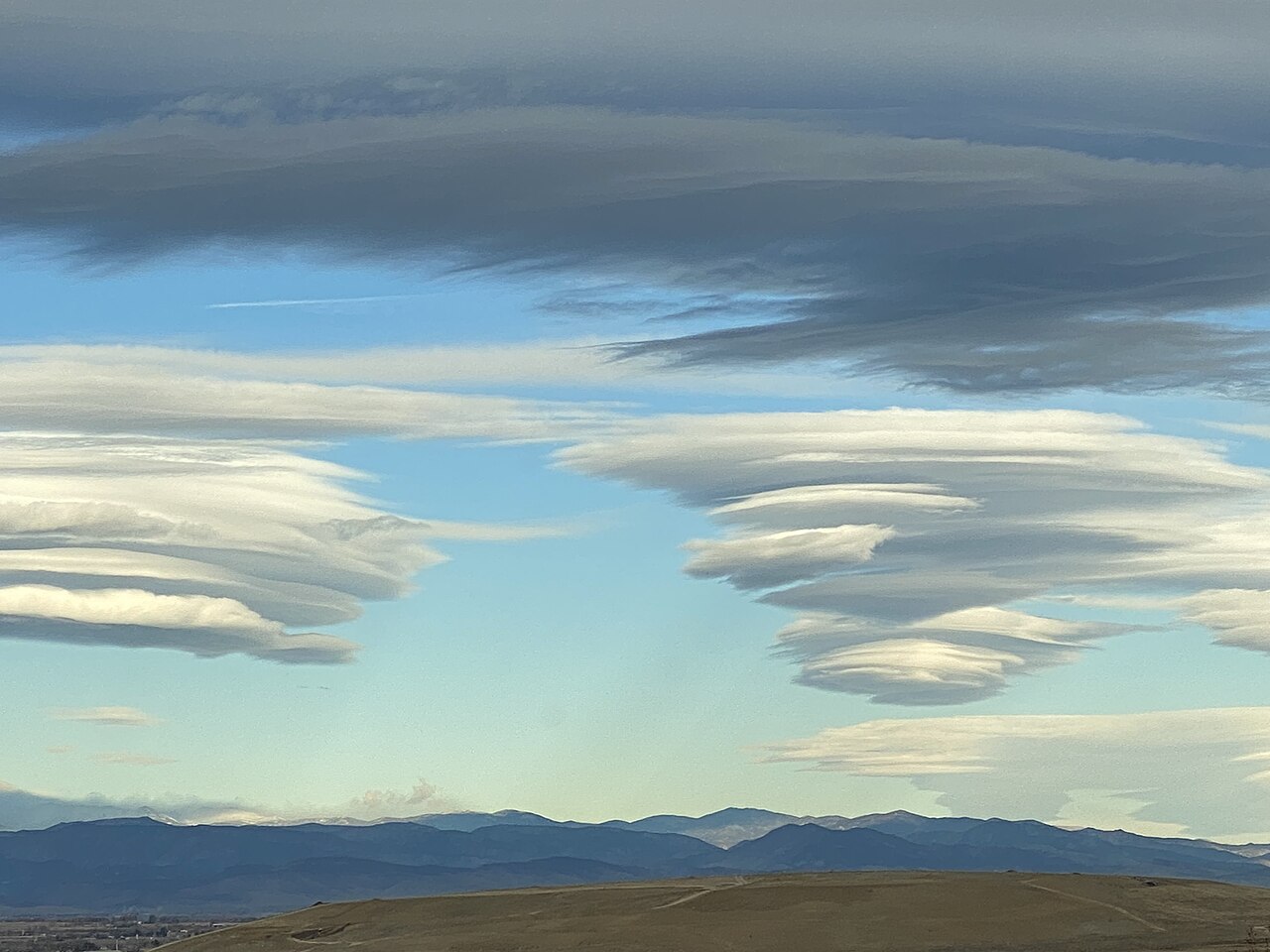

Full credit
https://twitter.com/NOAA_ESRL/status/1352305535413051393/photo/1
Displayed at reduced resolution. See the original file for full licensing information.
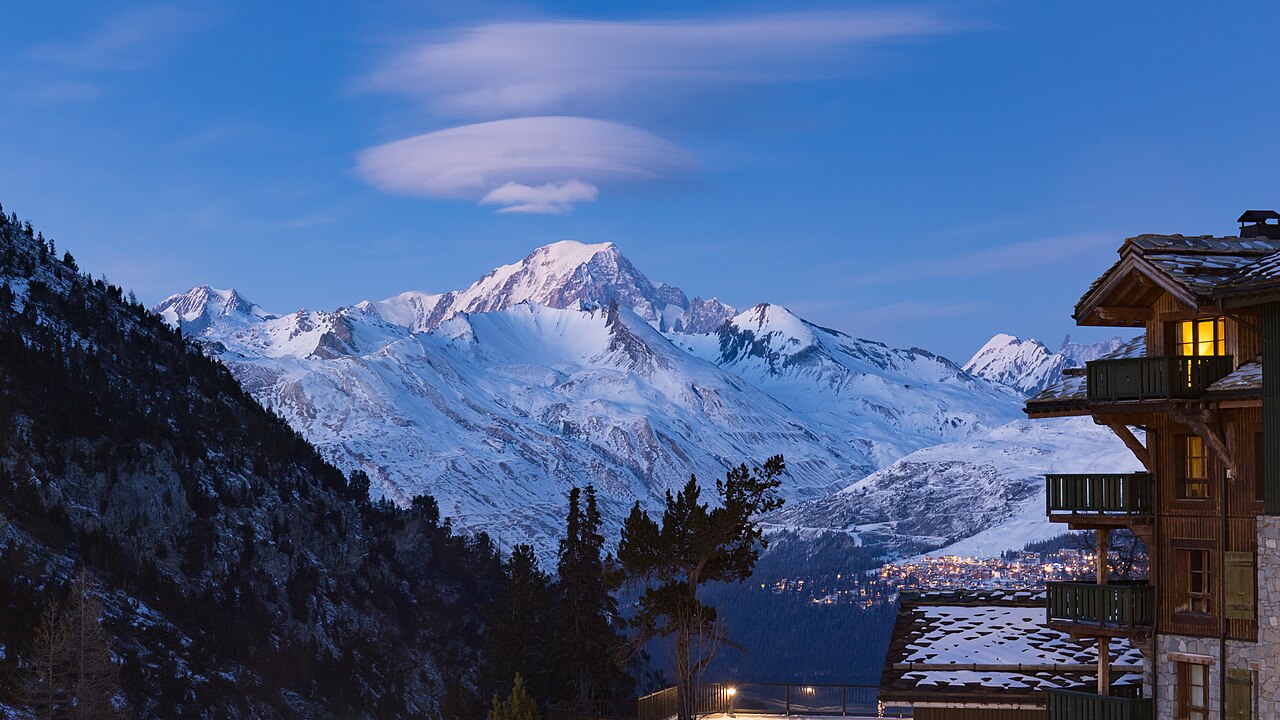

Full credit
Own work
Displayed at reduced resolution. See the original file for full licensing information.
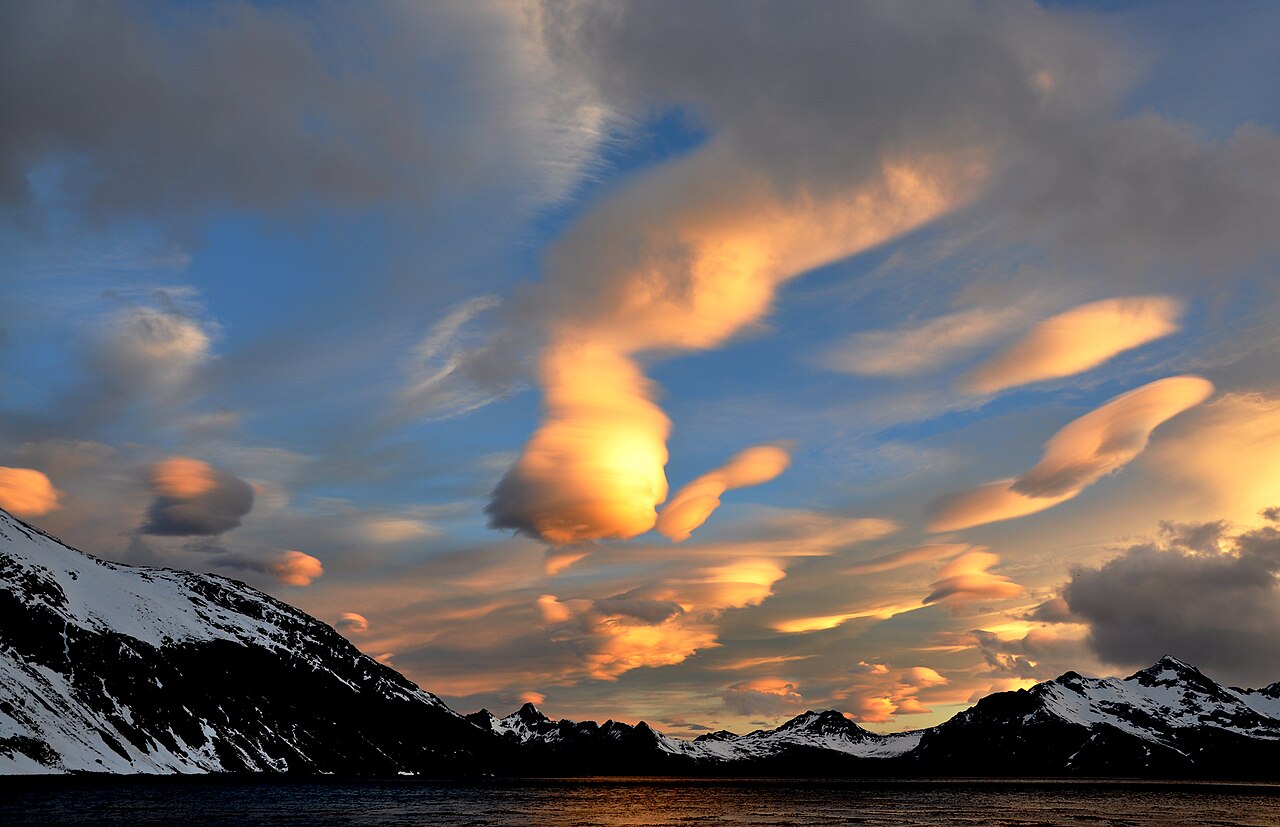

Full credit
Own work
Displayed at reduced resolution. See the original file for full licensing information.
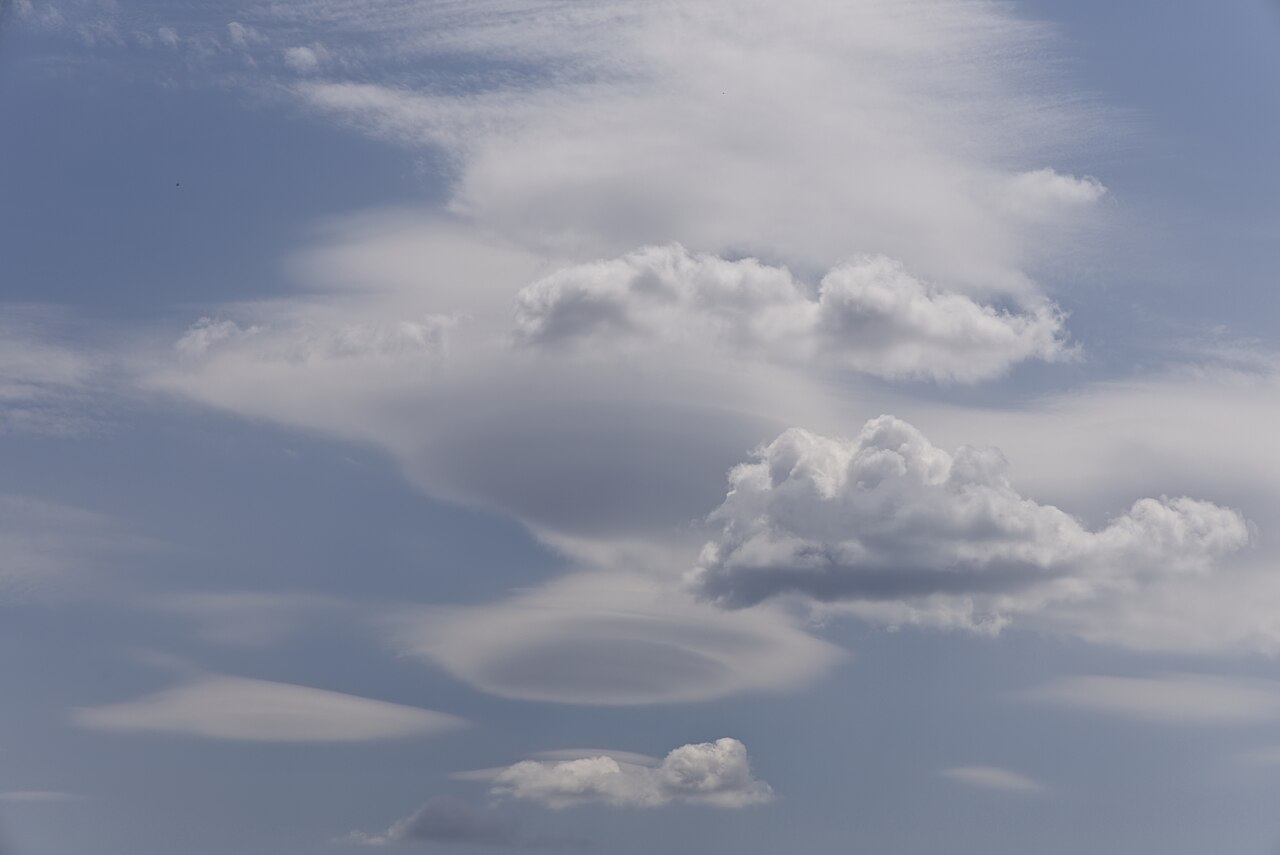

Full credit
Own work
Displayed at reduced resolution. See the original file for full licensing information.
Swipe or scroll sideways to explore the photographs. Photos may include other cloud types; names and credits come from their source records.
Spot it
Smooth lenses, sometimes stacked like plates.
How it forms
Moist air rises and cools within atmospheric waves.
Read the sky
They suggest wave motion aloft and can occur with strong winds.
Where to look
Look downwind of hills and mountains; waves can also form elsewhere.
Little sky facts
Reveal fact 1
Lenticularis describes the lens shape.
Reveal fact 2
Lenses can have very sharp edges.
Reveal fact 3
Several lenses may stack at different levels.
Reveal fact 4
The shape can stay in place while air passes through it.
Try this
Draw the stack as a fleet of sky vessels.
Draw your own cloud ↗Read a little deeper
Met Office · formation and weather
Conditions described here are places to look, not a global frequency ranking. Use local weather forecasts and warnings for decisions. Never look directly at the Sun.