Storm architecture · genus
Cumulonimbus
A mountain made of weather
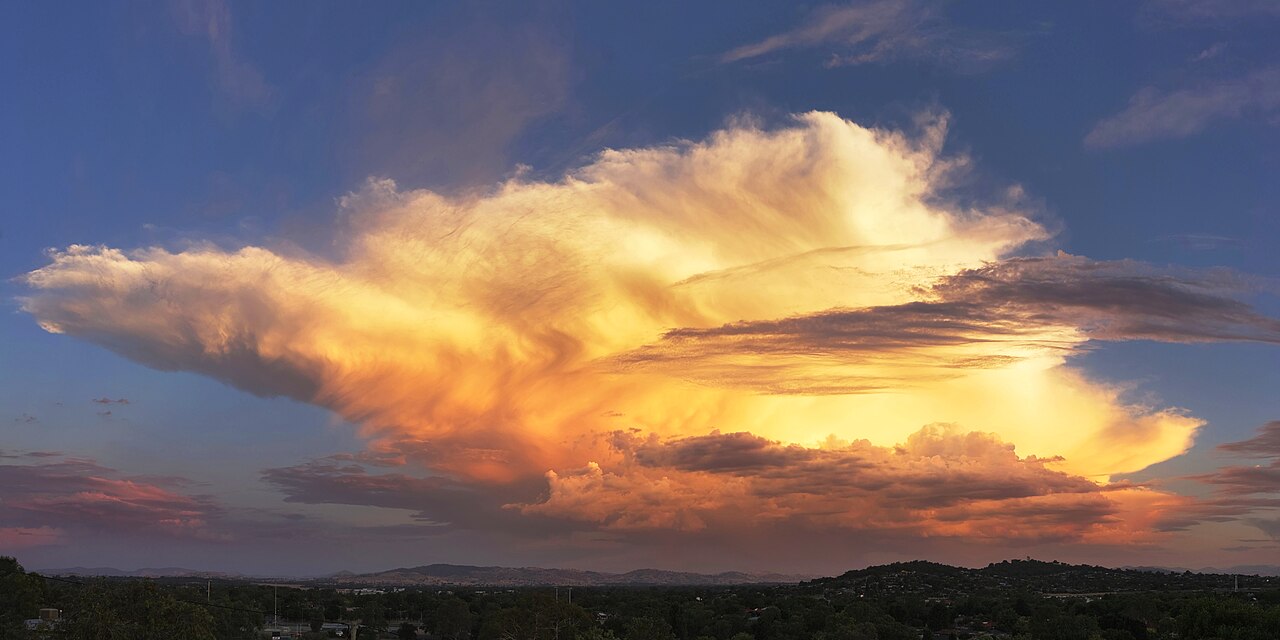

Full credit
Own work
Displayed at reduced resolution. See the original file for full licensing information.
.jpg)
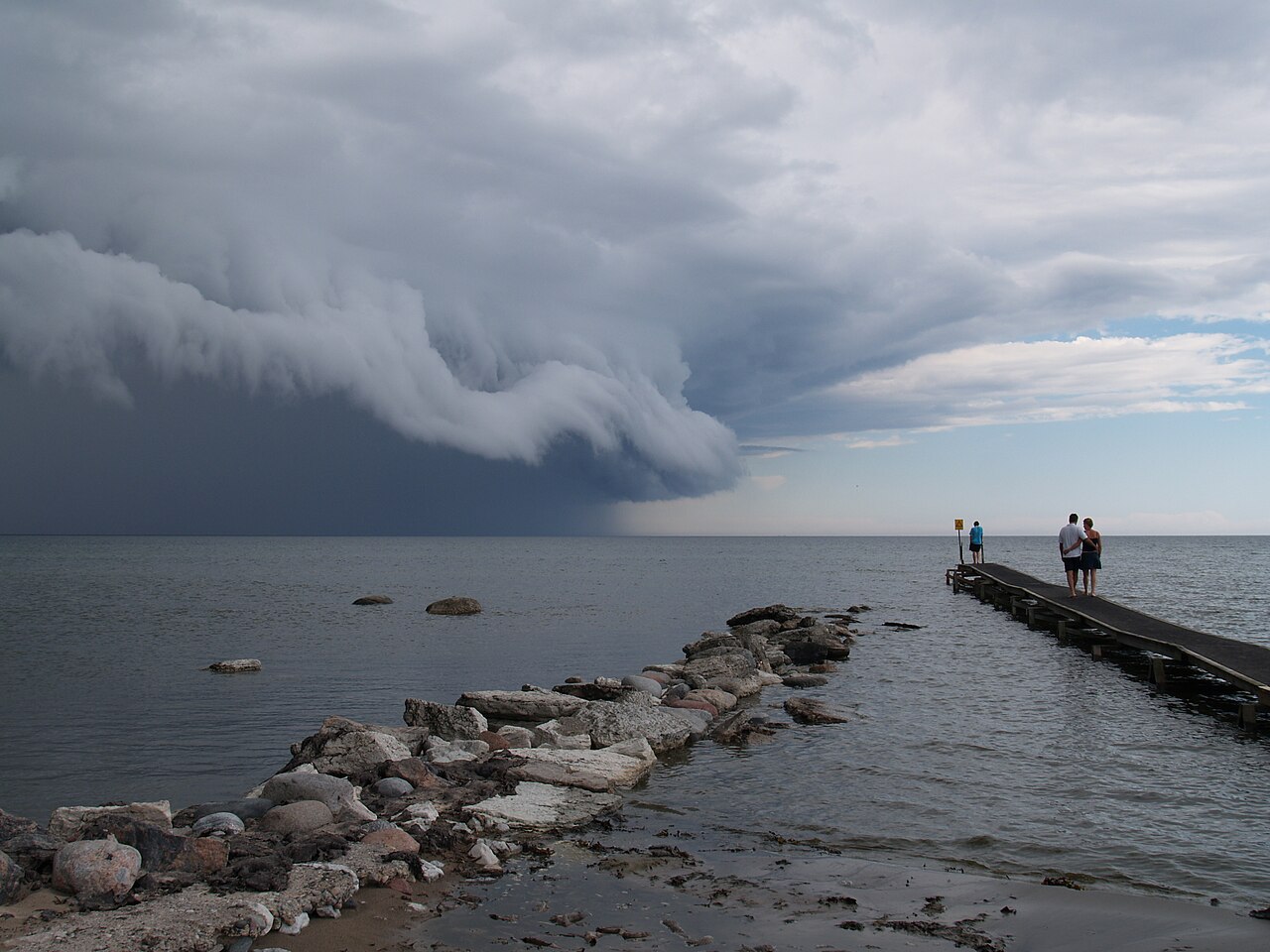
Full credit
Selbst erstelltes Foto
Displayed at reduced resolution. See the original file for full licensing information.
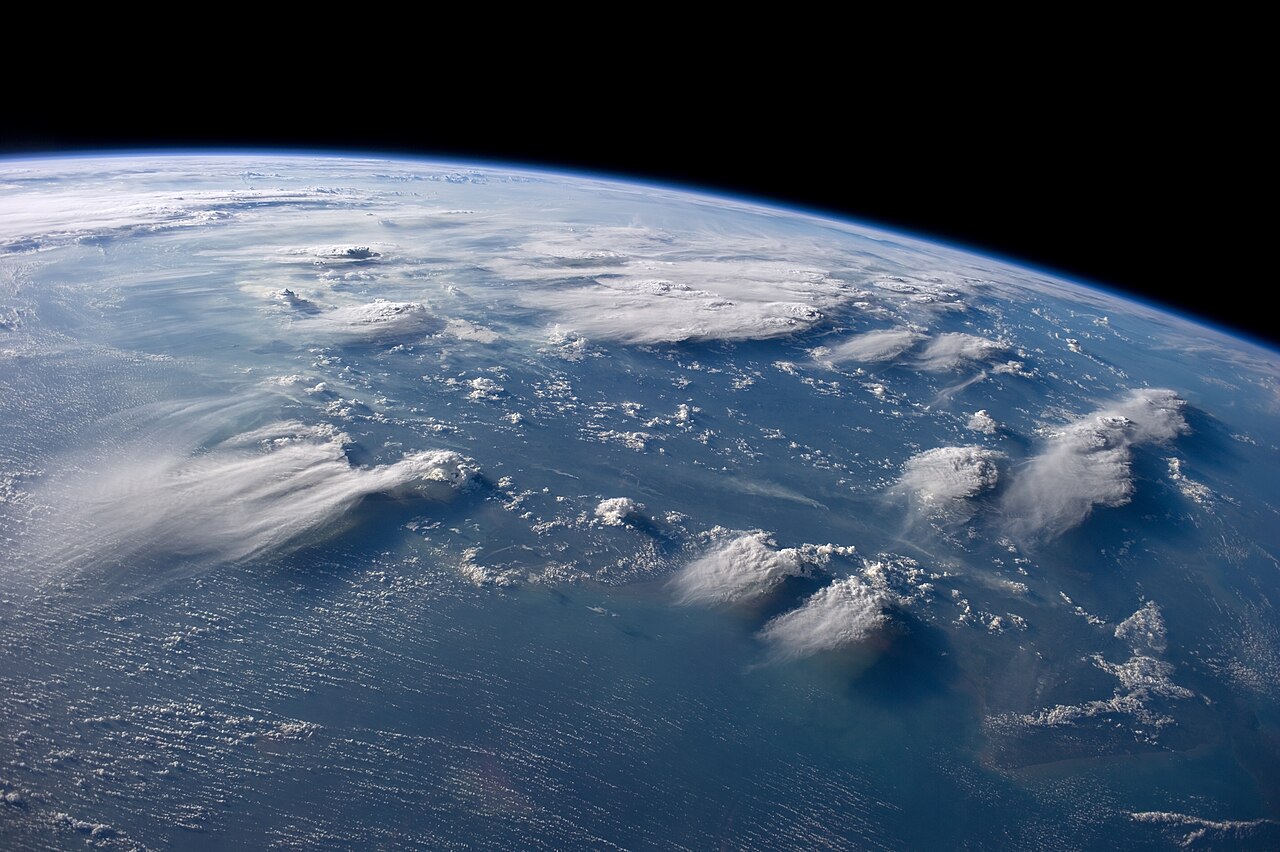

Full credit
http://earthobservatory.nasa.gov/IOTD/view.php?id=84308&src=ve https://www.flickr.com/photos/nasa2explore/14991571998/
Displayed at reduced resolution. See the original file for full licensing information.
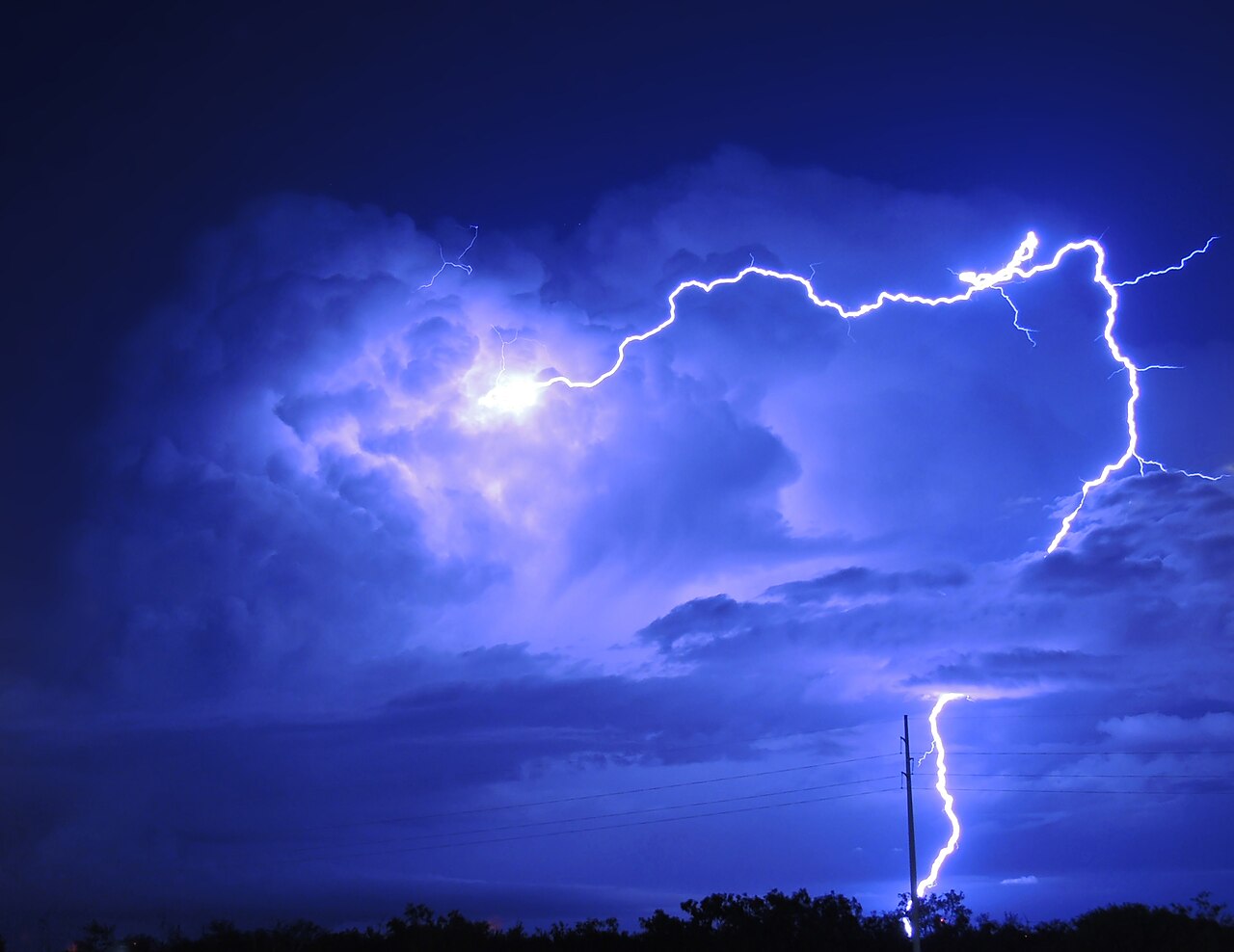

Full credit
https://www.flickr.com/photos/51647007@N08/27663733200/
Displayed at reduced resolution. See the original file for full licensing information.
Swipe or scroll sideways to explore the photographs. Photos may include other cloud types; names and credits come from their source records.
Spot it
A deep tower with a dark base and a smooth or fibrous upper portion.
How it forms
Strong rising currents carry moisture through a deep layer of atmosphere.
Read the sky
Thunder, lightning, heavy showers and sometimes hail accompany these storms.
Where to look
Look where moist unstable air is lifted, including along fronts.
Little sky facts
Reveal fact 1
A mature upper region contains ice.
Reveal fact 2
An anvil can spread far from the rising tower.
Reveal fact 3
Ragged clouds may hang below the base.
Reveal fact 4
If thunder is audible, move indoors instead of cloud-spotting outside.
Try this
Study a distant storm photo and outline its anvil.
Draw your own cloud ↗Read a little deeper
Met Office · formation and weather
Conditions described here are places to look, not a global frequency ranking. Use local weather forecasts and warnings for decisions. Never look directly at the Sun.